

In this post, we’ll explore nine common traits of toxic relationships and how to identify them.
Let’s discuss three of the most important healthy coping strategies to implement and use to elevate your relationships.
If you find yourself constantly second-guessing your worth, feeling inadequate, or walking on eggshells to avoid criticism, it might be time to take a step back and evaluate the situation.
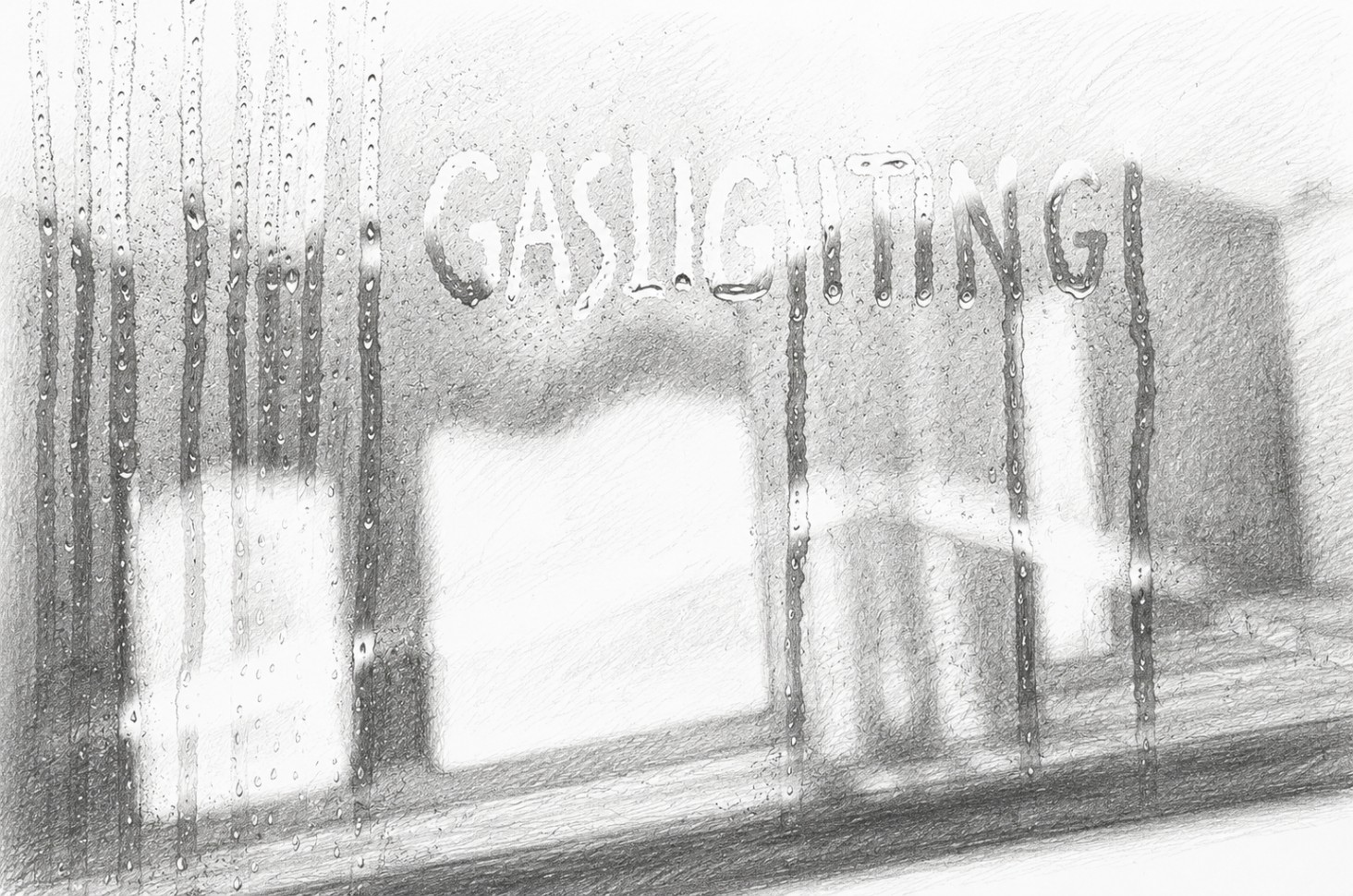
This can involve denying facts, trivializing feelings, or twisting events to make the other person feel confused or crazy. Gaslighting is especially dangerous because it undermines your confidence and makes you question your instincts.
If your partner frequently denies things you know to be true or makes you feel like you can’t trust your own memory or judgment, this is a major red flag of manipulation.
In toxic relationships, one partner may refuse to take responsibility for their actions, often blaming the other person for problems or conflicts in the relationship. This lack of accountability can create a power imbalance, leaving the other person constantly apologizing or feeling at fault for everything.
If you’re always the one apologizing or you’re expected to shoulder the blame for issues in the relationship, it may indicate that the relationship is unhealthy and unequal.
A key sign of toxicity is when one partner seeks to control the other—whether that’s through dictating how you dress, who you spend time with, or what activities you’re allowed to participate in. This can extend to emotional control, such as trying to dictate your moods, emotions, or reactions.
If your partner is always telling you what you can or cannot do, or makes you feel guilty for spending time with friends or pursuing your interests, these are significant signs of possessiveness and control.
Toxic individuals may attempt to isolate you from your support network in an effort to make you more dependent on them. This could involve discouraging you from spending time with friends and family, or even actively sowing discord between you and your loved ones.
If you find yourself distancing from your friends or family because your partner is constantly criticizing or undermining them, this is a concerning sign of isolation. Healthy relationships encourage you to maintain connections with your support network.
Abuse—whether emotional, verbal, or physical—is a glaring sign of a toxic relationship. Emotional abuse can include name-calling, threats, intimidation, or humiliation, while physical abuse involves any form of physical violence or aggression. Both forms are destructive and should never be tolerated in a relationship.
If you catch your partner in lies regularly or find yourself questioning their truthfulness, it’s essential to address the issue and assess whether this breach of trust can be repaired.
If your relationship is characterized by constant emotional highs and lows, or if you’re always in conflict over trivial matters, this could indicate that the relationship is not healthy.
A key aspect of any healthy relationship is empathy—the ability to understand and share the feelings of your partner. In toxic relationships, one or both partners may show little to no concern for each other’s emotional needs or struggles. This lack of empathy can result in dismissive behavior, where one partner’s feelings are invalidated or ignored.
If your partner is dismissive of your feelings or consistently refuses to acknowledge your emotions, it can leave you feeling unheard and unsupported.
Gaslighting can cause a person to develop unhealthy self-talk habits. A person utilizing gaslighting techniques is attempting to manipulate and control another’s belief patterns and memory to benefit themselves. Gaslighting comes in various forms which are outlined below:
– Denial: telling a victim an event or conversation did not occur
– Distraction: Changing the topic to evade direct confrontation of an issue brought up by the victim
– Ignoring: Refusal to address any concerns from the victim
– Minimization: downplaying serious situations
– Projection: Accusing a victim of behavior the gaslighter is engaging in themselves
– Putdowns: Using insults and statements to cause a victim to doubt themselves
– Sabotage: Actions that cause the victim to seem incompetent
– Threats: Threatening violence or negative outcomes to manipulate the victim into obedience
If you find yourself in a domestic violence situation please call 911 or the Journey Center for Safety and Healing at 216-391-4357 (HELP)